EXCELLENT Based on 188 reviews
 Posted on Google
 Narelle BallardPleasant experience with a calm and friendly team of professionals. We travel from the Southern Highlands to see Alhan and it is well worth the trip!Posted on Google
 Jessica RStaff were very friendly, professional, efficient and kind! Would highly recommend 🙂Posted on Google
 Natasha DayHad such a great experience at Quay Dental yesterday. Very knowledgeable and friendly staff!Posted on Google
 Sally BriggsI had an amazing experience today at Quay Dental with Dr. Ally and the team! They made me feel so comfortable and at ease, talking me through every step of the appointment to explain the treatment. I’ve already booked my next visit with Dr. Ally. I highly recommend Quay Dental to everyone!Posted on Google
 Joss CunninghamI absolutely love Quay Dental! Dr. Ally and the entire team are incredible, so professional, friendly, and made me feel completely at ease. Every visit is a seamless experience, from the warm welcome at reception to the top-tier care in the chair. Dr. Ally is so knowledgeable and gentle. Already counting down to my next appointment in a month!Posted on Google
 Chelsea McGillivrayErica Kim was excellent and listened to my concerns, even the receptionist was so friendly.Posted on Google
 Jaya DaemionThey always treat you with care and complete long lasting improvements. They will change your life. I would suggest to everyone that needed anything dental. 5 stars.Posted on Google
 Steve SampsonDr Ali is awesome, caring and gentle.Posted on Google
 jyotsna raniWe had a wonderful experience with Dr. Manu. She is incredibly friendly and made my child feel completely at ease during the filling procedure. Their gentle approach and patience made all the difference, turning what could have been a stressful visit into a positive one. Highly recommend for anyone looking for a great, kid-friendly dentist.Verified by TrustindexTrustindex verified badge is the Universal Symbol of Trust. Only the greatest companies can get the verified badge who has a review score above 4.5, based on customer reviews over the past 12 months. Read more
When a tooth is badly weakened, cracked or affected by extensive decay, the quality of the restoration matters. Quay Dental provides carefully planned dental crowns that patients can consider when a filling alone may no longer provide enough support.
Led by Dr Alhan Farjo, our experienced team takes time to assess the tooth, explain the available materials and plan a crown that suits your bite and surrounding teeth. Whether the purpose is to protect a damaged tooth or restore its appearance, treatment is carried out with comfort, function and long-term oral health in mind.


A dental crown is a customised restoration that covers the visible portion of a damaged or weakened tooth. It can restore the tooth’s shape, size, strength and appearance when the remaining structure cannot be reliably repaired with a standard filling.
Crowns may be recommended to hold together a cracked tooth, protect a tooth after root canal treatment, support a heavily filled tooth or complete a dental implant restoration. Depending on your clinical needs, the crown may be made from porcelain, ceramic, metal or tooth-coloured resin.
Dental crowns can play an important role in preserving teeth that might otherwise continue to deteriorate. Covering the weakened structure helps protect it from further damage and may reduce the likelihood of the tooth eventually requiring removal.
A carefully fitted crown may also restore normal chewing and speaking by rebuilding the tooth to a more functional shape. When the shade and contours are matched to the surrounding teeth, the restoration can sit naturally within your smile.
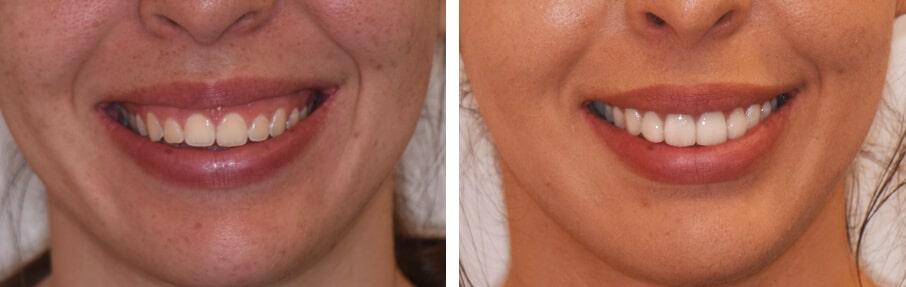
Existing patients and those completing a new patient form are welcome to arrange an assessment if a tooth feels weak, painful or visibly damaged. You can also browse examples of completed treatment in our smile gallery or read further dental guidance on the Quay Dental blog.
The first step is a consultation and examination. Your dentist will assess the damaged tooth, the surrounding gums and the way your teeth meet. An X-ray may be recommended to check the root and supporting bone before deciding whether a crown is the right treatment.
If you proceed, the tooth is cleaned and carefully reshaped to create space for the crown. Digital scans or impressions are then taken so the restoration can be made to fit the prepared tooth and work properly within your bite.
A temporary crown may be placed while the final restoration is being produced. When it is ready, your dentist will check the fit, colour, contact points and bite before securing it over the tooth. You will also receive aftercare instructions to help protect the restoration.

The material selected for a crown depends on the tooth’s position, the pressure it receives, your preferred appearance and your available budget.
Porcelain crowns are commonly considered for visible teeth because they can be carefully matched to natural enamel. Their colour and translucency help them blend with the surrounding smile.
Ceramic crowns provide a similar tooth-coloured appearance and may be used for front or back teeth, depending on the material and clinical requirements. They can offer a balance between strength and aesthetics.
Metal crowns, including certain alloys, are highly durable and can withstand considerable biting pressure. Their metallic appearance means they are generally selected for less visible areas of the mouth.
Composite resin crowns may provide a lower-cost or temporary option in selected circumstances, although they are generally more likely to wear or fracture than porcelain, ceramic or metal alternatives.
Your dentist will explain the benefits and limitations of each material before recommending the most appropriate choice.

There is no single crown material or design that is suitable for every patient. A front tooth may require greater emphasis on colour and translucency, while a back tooth may need a material capable of handling stronger chewing forces.
The condition of the underlying tooth, your bite, grinding habits and any existing restorations will also influence the recommendation. Cost can be considered alongside these clinical factors so you can make an informed decision.
It is also important to choose a dental practice that follows recognised professional and safety standards. Quay Dental is associated with the Dental Board of Australia, the Australian Dental Association and is a QIP-accredited organisation.
Depending on the condition of your smile, your dentist may also compare a crown with tooth fillings, dental bridges or another restorative dentistry option.

The cost of a crown varies because each tooth requires an individual treatment plan. The final fee may be influenced by:
After examining the tooth, our team will explain the proposed treatment and provide a clear outline of the expected fees. Available insurance and payment options can also be discussed so you understand the financial side before proceeding.

Our team of professional dentists and assistants work to give each and every one of our patients a positive, comfortable, and relaxed experience while maintaining the highest standards of care. We are constantly working to stay up to date on all of the latest in dental care. From technology to techniques, we are here for you with the best methods and procedures for your needs.
A dental crown still depends on the health of the natural tooth and gums beneath it. Brushing twice daily, cleaning carefully around the crown and attending regular dental visits can help reduce the risk of decay developing near the restoration.
Avoid biting hard objects such as ice, pens or packaging, as these habits can chip or crack the crown. Patients who grind or clench their teeth may need a custom protective appliance to reduce pressure while sleeping.
Some sensitivity can occur shortly after treatment as the tooth settles. This is often temporary, but you should contact the practice if discomfort becomes severe, the crown feels loose, or your bite does not feel right.
Routine dental check-up & clean appointments allow your dentist to monitor the crown, supporting tooth and surrounding gums. With appropriate home care and professional reviews, a well-planned crown can remain functional for many years.